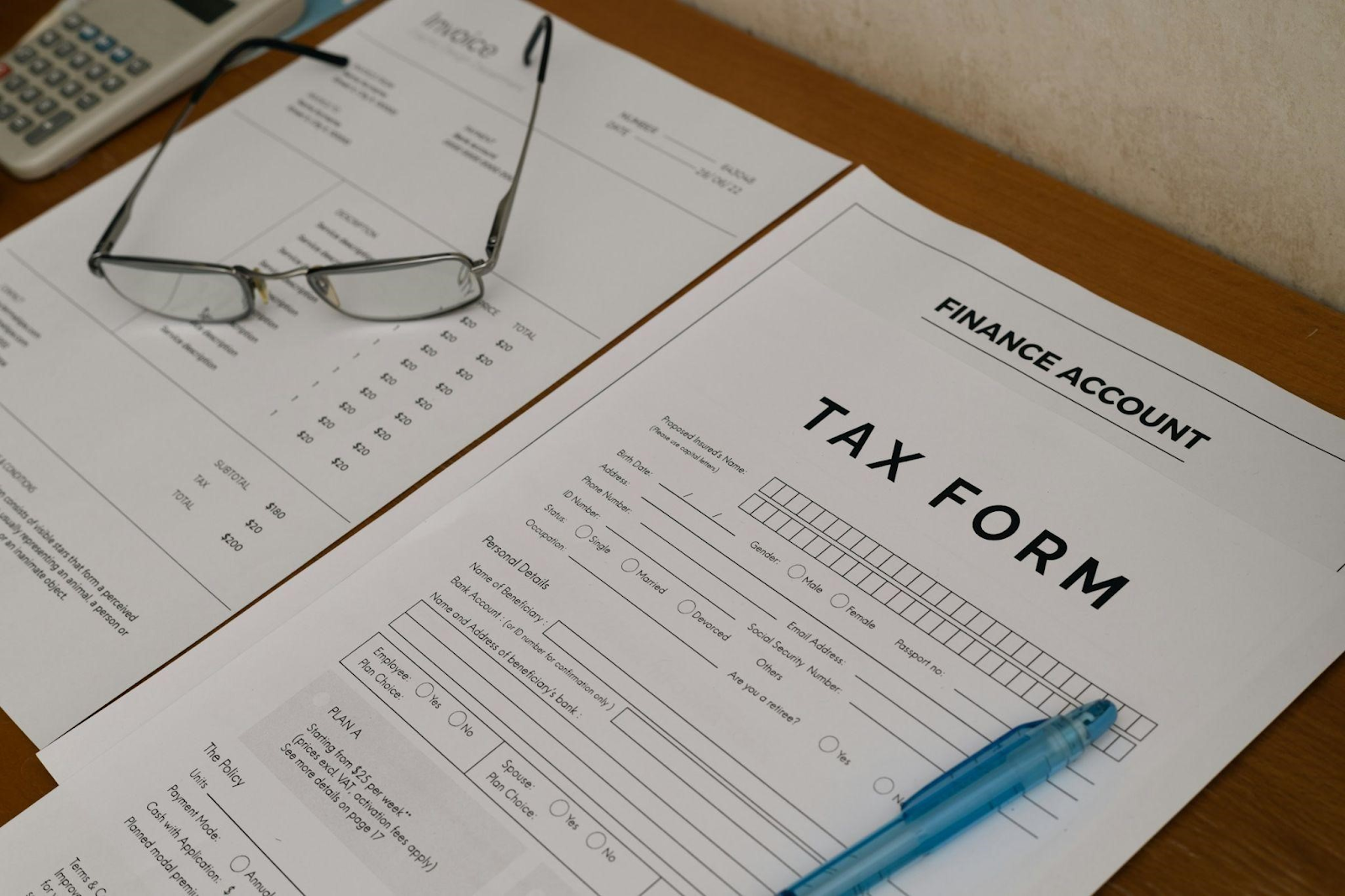
The Goods and Services Tax, popularly known as GST, is an essential component of New Zealand’s tax system that has an impact on both large and small businesses alike. Every business owner is expected to file their GST return, no matter the size of their business.
At first, it may appear to be an overwhelming task to comprehend how to correctly file your GST return, but if you take the appropriate steps, the procedure will become more manageable.
Many business owners worry about making mistakes. Others are unsure about deadlines or what information is required. These concerns are common, especially for new businesses. The good news is that GST follows clear rules once you understand the basics.
In this guide, you will learn what GST is, who needs to file it, and how the process works in New Zealand.
In New Zealand, the majority of goods and services are subject to a 15 per cent Goods and Services Tax. Businesses collect GST on behalf of Inland Revenue. Once collected, it must be reported and paid through regular returns.
Companies that make more than NZD 60,000 a year, or expect to reach this amount, are required to register with Inland Revenue. Businesses must include GST in the price of their taxable goods and services after registering.
In order to maintain compliance with the tax system, businesses must also submit regular GST returns to disclose their taxable sales and claim GST credits on purchases connected to their business.
- Businesses Over The Threshold: Registration is required once turnover exceeds the set limit.
- Voluntary Registrations: Some businesses register early to recover GST on costs.
- Contractors And Freelancers: Self-employed workers must register if their income meets the threshold.
- New Businesses: GST registration is often considered during incorporation.
These key ideas help you understand how GST works.
- Output GST: The GST you collect from customers on your sales.
- Input GST: The GST you pay on purchases for your business.
- GST Return: A summary of your output and input GST to determine if you owe Inland Revenue or are eligible for a refund.
Here’s a step-by-step process on how to do a GST return:
Step 1: Registering for GST
To register, log in to Inland Revenue’s myIR platform. You will need your
- business details,
- an estimate of turnover, and your IRD number.
Once registered, Inland Revenue assigns a filing frequency based on turnover.
- Monthly: For businesses with high transactions and turnover (over $24 million).
- Two-Monthly: Common for most businesses.
- Six-Monthly: For businesses with low turnover (under $500,000).
There are two options when you sign up for GST: “return filing frequency” and “accounting basis.”
How often you send in your GST returns is based on the filing frequency. “Twice a month” is the most popular choice, but you can also pick “Monthly” or “Six-monthly.” If you choose every six months, you’ll have to choose the specific filing months – March and September usually match the financial year.
This term refers to when you report GST. Most sole traders should use the “Payments basis (cash)” way because it accounts for GST when payments are received, so there are no problems with income that hasn’t been paid.
Step 2: Keeping Accurate Records
Accurate record keeping is vital for filing. You should maintain invoices, receipts, and bank statements for all business activity.
Many businesses use accounting services or software to stay organised and reduce errors.
Step 3: Calculating GST
GST is calculated based on your taxable supplies and purchases. Add up total sales and calculate output GST. Then calculate input GST from expenses.
Subtract input GST from output GST to find the balance.
Example:
- Output GST of total sales: $15,000
- Input GST of total purchases: $5,000
- Net GST payable: $10,000
Step 4: Filing Your GST Return
Once calculations are complete, log in to your myIR account and select file return. Enter sales, purchases, and GST figures.
This step often raises questions about how to file a GST return in NZ, but the system guides you through each field.
Step 5: Payment Or Refund
If you owe GST, payment can be made via online banking or myIR. If you are due a refund, it will be deposited into your bank account.
Many errors are avoidable with care. Most mistakes happen due to rushed work or poor records.
- Zero-Rated Supplies: These must still be reported even though no GST is charged.
- Personal Expenses: Only business-related expenses can be claimed. Personal costs should be excluded.
- Late Filing: Missing deadlines can result in penalties and interest charges.
- Incorrect Calculations: Simple maths errors can change the final amount. Always double-check figures before submitting.
- Missing Supporting Records: Claims without proper invoices or receipts may be rejected. Keep documents safe and organised.
Small steps can save time and stress.
- Use Accounting Software: Automation improves accuracy and reduces manual work. It helps track sales, expenses, and GST amounts in one place.
- Track Due Dates: Setting reminders helps avoid late filing and penalties. Using a calendar or alerts keeps you organised.
- Professional Help: An accounting firm can support tax accounting and compliance. This is useful if your business is growing or records are complex.
- Keep Records Updated: Updating records weekly avoids last minute rush. It also makes checking figures easier before filing.
- Separate Business And Personal Accounts: Using a dedicated business account keeps transactions clear. This reduces errors and saves time during reviews.
Filing GST return correctly is not just about following rules. It helps protect your business. Accurate filing shows that your records are reliable and up to date. This can be important when applying for finance or dealing with other agencies.
GST filing also helps you understand how your business is performing. Regular returns show income trends and spending patterns. Over time, this information supports better planning and smarter decisions.
Staying compliant also reduces stress. When GST is managed well, there is less risk of penalties, audits, or unexpected bills. It allows you to focus more on running and growing your business.
GST does not need to be confusing. With clear steps and good records, filing becomes routine.
We provide accounting services, tax pooling support, and practical guidance. If you need help with your gst return or want to understand how to do a GST return correctly, contact us to speak with our team.
What Is GST?
GST is a 15 per cent tax charged on most goods and services in New Zealand. Businesses collect it from customers and pass it to Inland Revenue.
Who Must Register For GST?
Any business turnover over the threshold ($60,000) must register. Some businesses choose to register earlier if it suits their situation.
How Often Do I Need To File?
Filing frequency depends on your setup. Most businesses file every two months. Seek professional advice before setting GST filing frequency is a good idea.
Can I Claim GST On All Expenses?
Only expenses that relate directly to your business can be claimed. Personal costs are excluded. Some expenses can not claim GST, e.g., loan interest, wages and salaries.
What Happens If I Make A Mistake?
Errors can usually be corrected in future returns or by contacting Inland Revenue. Acting early helps avoid penalties.
Is Professional Help Worth It?
Many businesses use support from accounting services to save time and reduce risk. This is common as businesses grow.